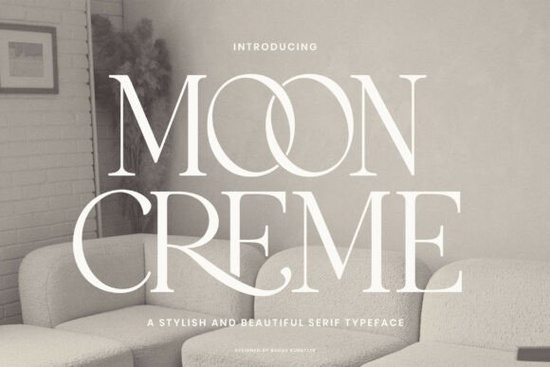
How does it handle different design environments?
The character spacing and stroke contrast in this typeface keep text readable even at smaller sizes. You can use it for body copy in editorial layouts, or scale it up for headings on product mockups. The balanced strokes print cleanly on textured paper, mailers, and vinyl. Hobbyists working with cutting machines also appreciate how the simple paths reduce alignment errors compared to highly decorative alternatives.
Comparing vintage options shows how spacing affects harmony, and the breakdown of similar elegant serifs highlights practical pairing strategies. The right balance of thick and thin strokes matters most when your design will be viewed on screens and physical products simultaneously.
The product overview covers licensing terms before you design.
Where should creators actually use it?
Sellers frequently add it to apparel, tote bags, and home decor. It works particularly well when paired with minimalist line art or muted earth tones. Small shops can use it for logo locks, menu headers, and social media banners without needing additional design software. Even if you are building your first brand identity, sticking to one strong serif keeps the visual hierarchy simple.
What combinations keep layouts from feeling cluttered?
Successful typography relies on contrast. When you pair a refined serif with a clean geometric sans serif, the layout breathes. Here is how to test combinations before finalizing your artwork:
- Use the serif for titles and pull the sans serif into subheadings or tags.
- Limit your palette to two typefaces per design to maintain consistency.
- Check readability by zooming out to 25 percent on your screen.
- Test dark text on light backgrounds first, then reverse for social posts.
Designers who prefer softer, romantic lettering might also explore the guide to lighter script-style alternatives. If your project leans more toward nostalgic print media, a comparison of mechanical typewriter styles shows how different eras influence spacing and x-height.
What details matter before you install and license it?
Always check the downloaded OTF or TTF files. Testing kerning in your software saves time. Many hobbyists forget to adjust tracking when moving from desktop publishing to web graphics. A quick adjustment of negative or positive values usually tightens headlines without crushing the negative space between letters.
Standard licenses usually cover physical goods and templates. If you plan to embed the files in a mobile app or a SaaS platform, double-check the extended license terms. For deeper insights into type anatomy, you can see how Moon Creme fits into traditional serif classification.
How do you keep your font library organized for future projects?
Labeling folders prevents duplicates and saves time. Create a dedicated space for serif collections, and back up the original installers to an external drive or cloud service. When you test a new layout, export a quick PNG at print resolution to catch rendering issues before committing to the final file.
Quick checklist before you publish or send to print:
- Convert to outlines only after saving an editable master copy.
- Verify licensing matches your intended use, especially for resale items.
- Run a spell check in your design software to catch accidental hyphen breaks.
- Preview at actual size on the device or material where it will be seen.
- Pair with a neutral sans serif to let the headline carry the visual weight.
Save your master files, test print one physical copy, and adjust tracking if the letters feel too tight. A small tweak in spacing often turns a good design into a professional one.
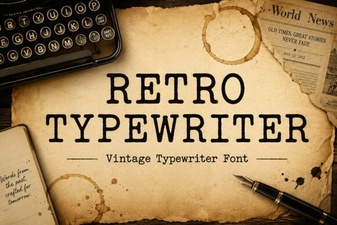 Retro Font Design for Creative Projects
 Silkydusk Font: Versatile Script Design for Projects
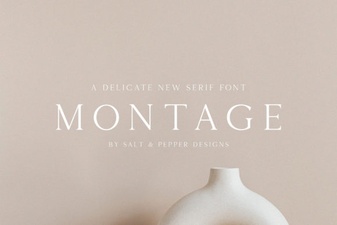 The Montage Font: Creative Design Projects
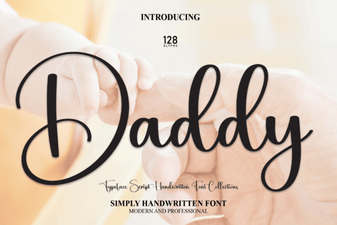 Daddy Font: Creative Uses in Design Projects
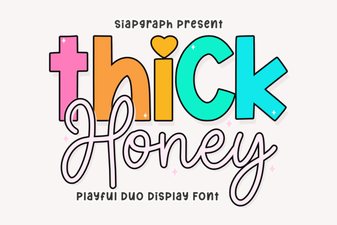 Thick Honey Duo Font: Style & Usability Guide
 Sweet Home Font: Design Tips and Creative Uses