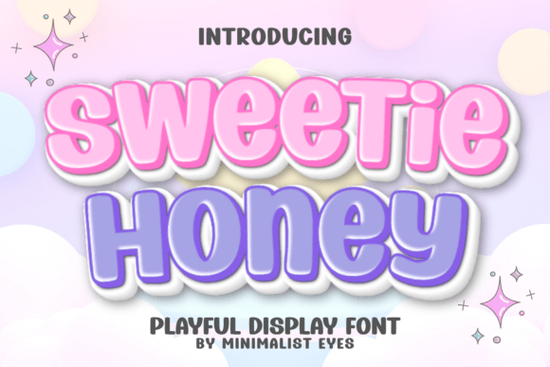
If you are building a collection of nursery prints, handmade stickers, or custom party banners, the Sweetie Honey Font offers a reliable starting point. This display typeface uses gentle curves and balanced spacing to create a friendly, approachable tone that stays legible at various sizes. Many independent designers choose it because the letterforms maintain clarity on both matte and glossy surfaces, making it a practical addition to any digital craft toolkit.
What makes this typeface suitable for handmade goods?
Physical products require typography that survives the printing process without losing definition. The rounded terminals and open counters in this alphabet prevent ink from bleeding into tight spaces, which is especially useful when working with absorbent materials like kraft paper or uncoated cardstock. Small business owners often pair this style with minimal line art or simple icon sets, allowing the text to remain the focal point while keeping the overall composition clean and uncluttered.
When arranging layouts, consider how different letter shapes interact on the page. You can explore structured block lettering for clear product labels, or try heavy display options when you need immediate visual weight. Soft color palettes naturally complement this rounded style, but you can also pull from whimsical alternatives to add subtle movement. Seasonal collections often benefit from nostalgic serif pairings, while casual script variations work well for handwritten notes inside packaged orders.
How does it perform on cutting machines and printers?
Digital plotters like Cricut and Silhouette require clean vector paths to avoid tearing or incomplete slices. This font’s smooth outlines translate well into cut files, meaning the software rarely misreads overlapping strokes. When preparing adhesive vinyl or heat transfer sheets, scale your design proportionally and run a quick test on a scrap piece. The even stroke thickness reduces the chance of delicate pieces lifting during the weeding stage, which saves time during bulk production runs.
For additional typography references, search the catalog for Brick Stacked, Harlow Chunky, or Groovy Cute. Designers looking for historical aesthetics often review Back to Vintage, while seasonal shops might find Motcha useful for holiday promotions.
Which design layouts benefit most from rounded typography?
The soft edges of this display font naturally draw the eye to the center of a composition. This works best when the project relies on quick readability and a warm emotional response. Common applications include:
- Custom birthday invitations where a playful tone sets the mood before the event
- Nursery wall quotes that need to feel comforting and easy for children to read
- Personalized sticker sheets for planners, laptops, or water bottles
- Small business thank-you tags that accompany shipped packages
- Editable SVG cut files sold through digital marketplaces
How do I prepare files for commercial use?
Before selling designs that feature this alphabet, verify the licensing terms provided with your download. Most commercial packages allow physical product creation and print-on-demand services, but they usually restrict sharing the actual font files. Export your work as high-resolution PNGs, PDFs, or SVGs depending on the platform requirements. Keep a separate folder for layered project files so you can adjust spacing or colors quickly if a client requests revisions later.
Quick prep checklist before you upload or print:
- Convert text to outlines in your design software to lock the shapes in place
- Set your workspace to CMYK color mode if printing on physical stock, or RGB for digital listings
- Run a 50% scale test print to check for ink pooling or cut line errors
- Double-check kerning on tight character pairs like AV, To, and Va
- Save a backup copy of your editable project file before sharing the final version
Following these steps helps reduce reprints and keeps your workflow consistent as you scale your shop. Start by applying this typeface to one simple project, review the output, and adjust your file settings before moving on to larger batches.
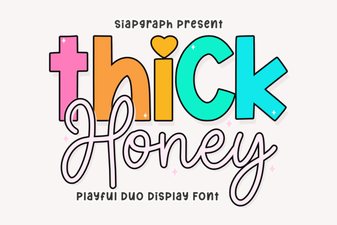 Thick Honey Duo Font: Style & Usability Guide
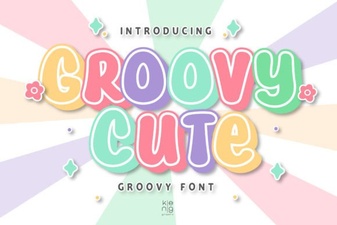 Groovy & Cute Fonts for Fun, Friendly Designs
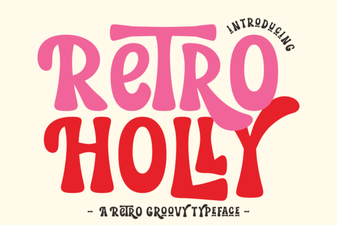 Retro Holly Font: Creative Design Styles & Ideas
 Hunters K-Pop Font: Design Guide and Creative Uses
 Discover Jake Font for Creative Design Projects
 Reviving Vintage Fonts for Modern Design Projects