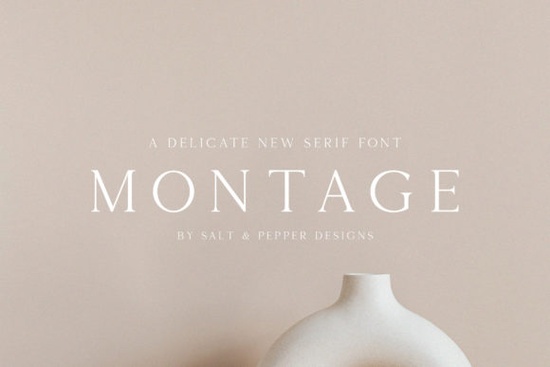
When you need a typeface that feels both refined and quietly confident, a delicate serif often does the trick. The Montage Font was built exactly for those moments. It uses thin letterforms, classic proportions, and subtle stroke variations to bring a polished, high-end feel to layouts that might otherwise look too plain. Whether you are formatting a wedding invitation, designing minimalist packaging, or setting up a clean editorial spread, this typeface handles negative space with ease and keeps the focus on your message.
Many independent designers and small shop owners look for typography that reads as premium without overwhelming the rest of the layout. Because the strokes stay light and consistent, it works well for body text at larger sizes, subtle watermarks, or delicate logo marks. Print-on-demand sellers often pair it with clean photography to sell home decor prints, while crafters use it for layered vinyl projects that require crisp, readable edges. The key is giving it enough room to breathe. Tight kerning or cramped margins will quickly hide the character shapes that make it stand out.
What types of projects actually benefit from thin serif typefaces?
Thin serifs shine in designs where whitespace acts as part of the composition rather than empty background. If you are building a luxury brand identity, the delicate stems suggest craftsmanship and attention to detail. In digital interfaces, they tend to work best at larger display sizes, such as hero banners, quote overlays, or hero typography for web headers. When printing on physical media, a higher quality paper stock will preserve the fine lines much better than a rough or heavily textured surface.
Here are a few reliable applications to test:
- Editorial spreads where subheadings need a quiet but distinct hierarchy
- Product packaging that relies on minimal color palettes
- Social media templates that pair photography with short, centered captions
- Business cards and stationery for consultants or creative studios
If your workflow leans toward vintage or industrial aesthetics, you might also explore how a retro typewriter style handles heavier strokes and worn textures. That approach gives a completely different mood, which is useful to keep in mind when matching typography to a client’s brand voice. For softer, more rounded alternatives, the moon creme typeface offers a warmer baseline that works well for lifestyle blogs and cozy product photography.
How do I pair it with secondary typefaces without creating visual clutter?
Pairing requires clear contrast in weight or structure. Since this typeface already carries delicate stems, matching it with a simple geometric sans serif or clean humanist font produces balanced layouts. Use the secondary font for longer paragraphs or navigation. You want the eye to notice the thin serif first, then glide smoothly into supporting text without visual competition.
A few practical pairing guidelines include:
- Limit your project to two families maximum to preserve readability
- Use font size and weight differences to establish a clear hierarchy
- Test your layout on both light and dark backgrounds before finalizing
- Avoid using multiple thin fonts on the same line or adjacent headers
Does this work well for commercial print and digital licensing?
Most modern type designers license their work for both personal and commercial use, which means you can safely apply it to client projects, merchandise, and digital products. Always review the included license file before uploading to print-on-demand platforms or sharing templates. If you are looking to compare how similar thin serifs behave across different design environments, checking out the Montage Font search page will give you a clear view of how other creators have implemented it in mockups and real campaigns. You will also notice how it sits next to alternatives like the silkydusk option, which leans into a slightly more fluid rhythm for script-based pairings.
Typography choices shape how audiences read your work. A light serif does not need heavy decoration to feel complete. Restraint usually produces stronger results. Start by adjusting tracking slightly so thin stems stay legible at smaller sizes. The montage serif collection offers useful spacing examples if you need layout references. Enable optical sizing in your software so curves adjust properly for display and body use. These adjustments keep delicate lines visible across screens and print.
Next steps before final export:
- Set tracking to +20 to +40 for headlines to prevent thin strokes from touching
- Print a small test sheet to verify legibility on your chosen paper weight
- Save a version with outlined text for clients who may not have the typeface installed
- Double-check the commercial license terms for merchandise and template redistribution
- Review contrast ratios if placing light text over photography or dark backgrounds
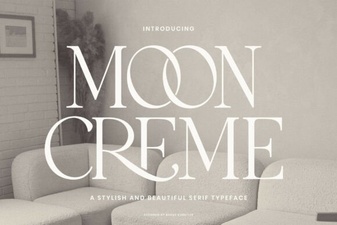 Moon Creme Font: Stylish & Functional Typography
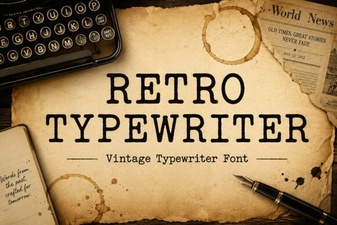 Retro Font Design for Creative Projects
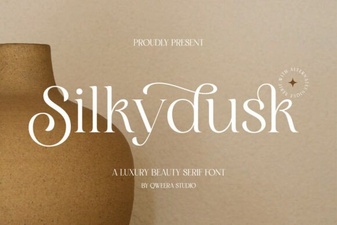 Silkydusk Font: Versatile Script Design for Projects
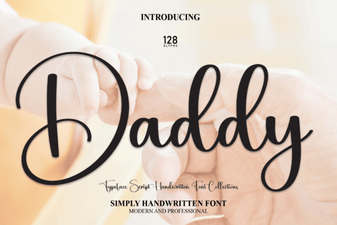 Daddy Font: Creative Uses in Design Projects
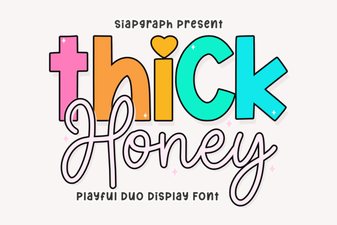 Thick Honey Duo Font: Style & Usability Guide
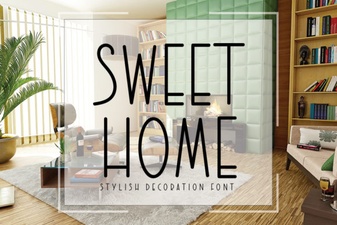 Sweet Home Font: Design Tips and Creative Uses