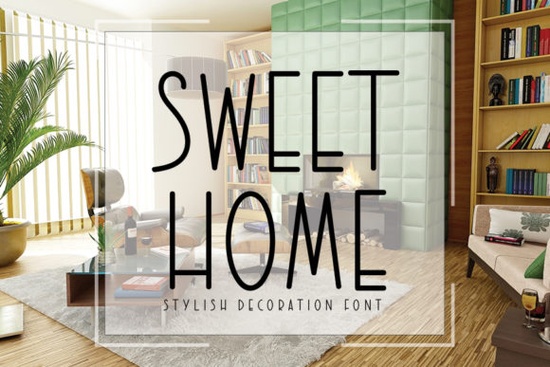
Finding a typeface that balances simplicity with professional polish often feels like searching for a needle in a haystack. The Sweet Home Font solves that problem by offering a clean, minimal structure that works across almost any creative project. Whether you are preparing a new line of printable wall art, setting up product mockups for an Etsy shop, or designing packaging labels for a small business, this sans serif option delivers consistent readability without overwhelming the layout.
Why do crafters and designers prefer minimal sans serifs for everyday projects?
Clean typography removes visual clutter, which is especially important when your goal is to communicate a clear message or showcase a physical product. This specific family relies on balanced letter spacing and uniform stroke weights, making it highly legible at both large and small sizes. When you work with a straightforward geometric typeface, you spend less time adjusting tracking and more time refining your actual design. Crafters appreciate how it holds up on vinyl cutouts and heat transfer sheets, while digital marketers rely on its sharp appearance for social media banners. The lack of decorative flourishes means your visual hierarchy stays intact, guiding the viewer’s eye exactly where you want it to land.
How does this typeface work with different design formats?
The real advantage of a versatile font lies in how well it adapts to multiple mediums. For print-on-demand sellers, it scales cleanly on apparel tags, tote bags, and ceramic mugs without losing crispness. If you are designing digital assets, the neutral character shapes pair effortlessly with hand-drawn illustrations, watercolor backgrounds, or bold color blocks. Many creators combine it with heavier display families to create contrast. For example, using Mansory for headlines while keeping body text light and airy creates a polished magazine-style layout. You can also experiment with italics for subtle emphasis or apply bold weights to highlight key information on pricing cards. Always remember to preview your text on actual device screens before finalizing exports.
What makes it a reliable choice for commercial work?
Consistency is the backbone of professional branding. When your typography behaves predictably across different software programs and file types, you avoid costly revisions and keep your production timeline on track. This font family includes a full set of glyphs, punctuation, and multilingual support, which saves time when preparing assets for international audiences. Many small business owners look for a well-structured alternative when their original files become outdated or fail to render properly on print services. Because it maintains its proportions at various scales, you can confidently apply it to everything from business cards to large-format banners. For additional typeface standards and licensing guidelines, you can review the official documentation for Sweet Home to ensure full compliance with your project requirements.
What should I check before adding a new typeface to my workflow?
Before finalizing your design files, take a few minutes to verify spacing, alignment, and color contrast. Test the text on both light and dark backgrounds to ensure readability stays consistent. If you are using it for web or digital storefronts, check how it renders on mobile screens where smaller viewports can distort tight kerning. Always keep a backup of the original files in a clearly labeled folder. Pairing a neutral sans serif with a textured or script element often gives your layout a handmade feel that resonates well with creative buyers.
Quick steps to get started with minimal typography
- Install both formats: Add the OTF for professional software like Illustrator and the TTF for standard office programs.
- Test at 100% scale: Print a sample sheet or view it on a monitor to catch any awkward spacing before production.
- Limit your palette: Use one weight for headings, another for body text, and avoid mixing more than three typefaces in a single layout.
- Check contrast: Ensure your text stands out against the background by following standard accessibility guidelines for readability.
- Save a master file: Keep a layered, editable version alongside your flattened export for quick future adjustments.
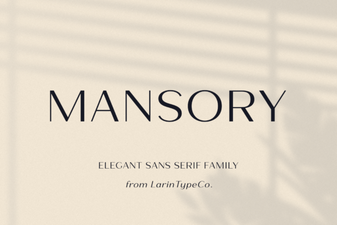 Crafting Elegant Projects with Mansory Font
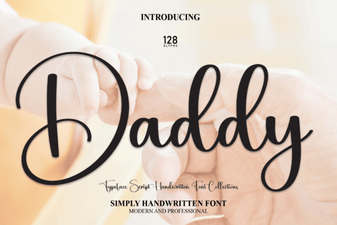 Daddy Font: Creative Uses in Design Projects
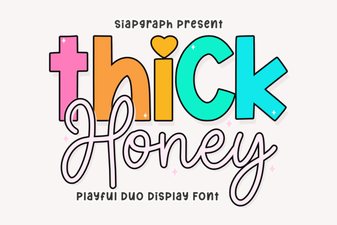 Thick Honey Duo Font: Style & Usability Guide
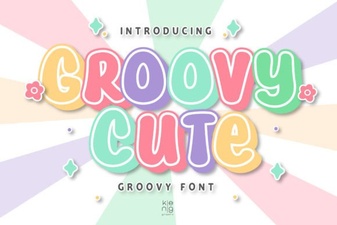 Groovy & Cute Fonts for Fun, Friendly Designs
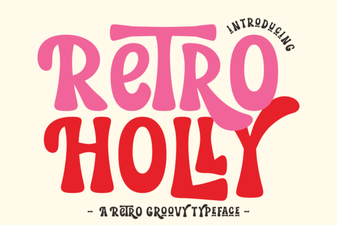 Retro Holly Font: Creative Design Styles & Ideas
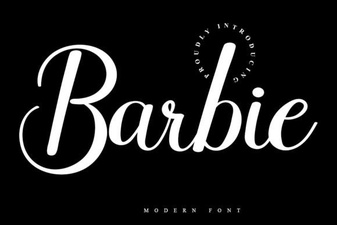 Font Files & Customizable Templates for Barbie Designs