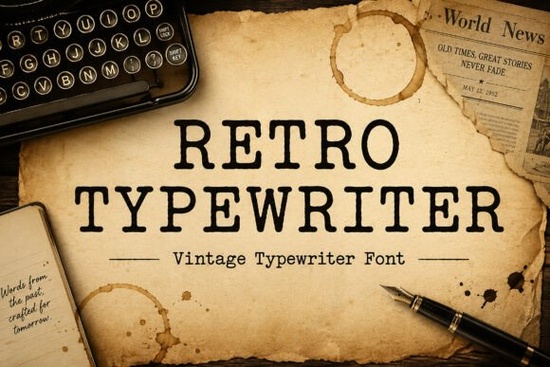
If you want your layouts to feel grounded in history rather than polished by algorithms, choosing the right vintage serif is essential. The Retro Typewriter Font brings the mechanical charm of mid-century machines directly into your digital workspace. It mimics slight ink bleed and uneven ribbon pressure, giving your text an authentic feel that standard typefaces simply cannot match. This makes it a reliable choice for creators who value tangible, nostalgic aesthetics over overly clean digital trends.
When does a typewriter style fit a project best?
This approach works best when your audience needs to connect with a specific era or emotional tone. Historical newsletters, true crime packaging, and writer-themed merchandise rely heavily on texture and mood. Because the letterforms carry subtle irregularities, they naturally draw the eye and encourage readers to slow down. That pacing works perfectly for editorial spreads where readability meets character. Pairing this typeface with muted paper textures creates an instant connection. If you need heavier contrast for headlines, exploring the vintage display options available alongside Montage Font can help you maintain that same editorial rhythm.
How do slight imperfections improve visual hierarchy?
Uniform letters often feel sterile in creative projects. The deliberate variations in stroke weight and baseline alignment give your typography a human touch. When used for body copy in booklets or diaries, the natural inconsistencies act like visual punctuation. They break up dense paragraphs and make scanning easier for audiences who prefer tactile design cues over stark minimalism. Designers who work with small businesses or independent crafters often find that clients respond better to layouts that feel hand-touched rather than machine-perfect.
What should you pair with this style in layouts?
Balance matters more than decoration. Keep surrounding elements quiet so the text remains the focal point. Stick to neutral accent colors like oxidized copper or charcoal gray. Avoid heavy gradients, as they compete with the organic texture. For subheadings, use a clean sans serif to maintain accessibility. If your project requires a softer look for bright backgrounds, browsing rounded serif alternatives or checking Moon Creme Font can help you keep readability high without adding visual clutter.
Where can you apply this for print-on-demand and small business use?
Independent makers see consistent results when matching typography to physical materials. Cotton totes, ceramic mugs, and linen journals respond well to ink-washed aesthetics. When printing on fabric, the slightly rough edges blend naturally with the substrate, avoiding the flat appearance of crisp vector files. Small shop owners can use this look for packaging stamps, thank-you cards, and product hangtags. Social media graphics also stand out when you move away from overly polished trends. Testing moody type combinations or reviewing Silkydusk Font can reveal how negative space changes the overall weight of your design.
How do you handle files for commercial projects?
Always verify licensing terms before sending work to a printer. Most type creators allow use on physical goods and client deliverables, but web or app embedding often requires separate terms. Install the files locally, generate high-resolution PDFs, and convert text to outlines when possible. Keep your original layered files archived so you can adjust margins or edit copy later. For extended campaigns, checking the complete character set variations ensures you have access to alternate glyphs and swashes before finalizing your artwork.
Quick Setup Checklist Before Publishing:
- Test the typeface at multiple sizes to ensure the ink texture stays readable.
- Widen letter spacing slightly to prevent crowded text on small products.
- Use high-contrast backgrounds like cream or slate gray to emphasize the vintage effect.
- Convert headlines to outlines before sending files to commercial printers.
- Archive original editable files for future revisions.
Start by placing your main headline over a lightly scanned paper background. Lower the font layer opacity to roughly 85% and watch the mechanical imperfections merge with the surface grain. This single adjustment usually transforms a standard template into a cohesive piece that feels intentionally crafted for your audience.
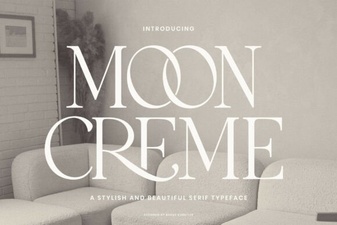 Moon Creme Font: Stylish & Functional Typography
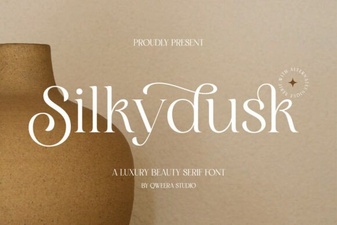 Silkydusk Font: Versatile Script Design for Projects
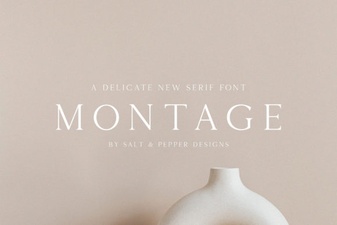 The Montage Font: Creative Design Projects
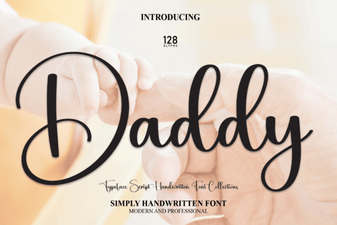 Daddy Font: Creative Uses in Design Projects
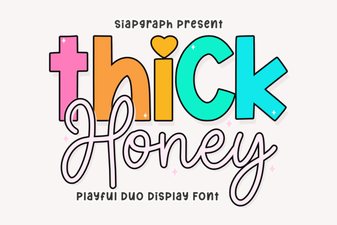 Thick Honey Duo Font: Style & Usability Guide
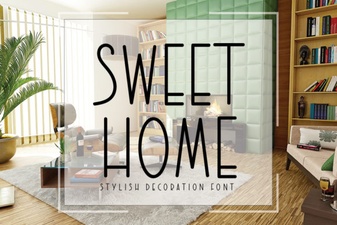 Sweet Home Font: Design Tips and Creative Uses