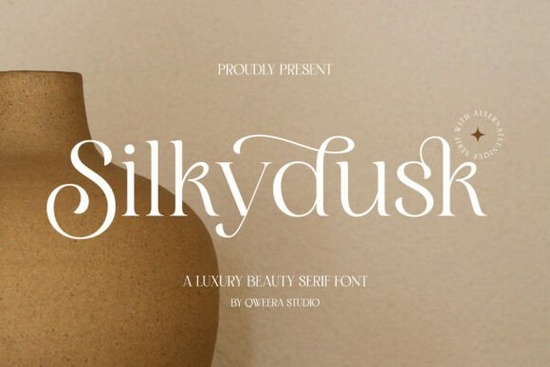
Finding the right serif typeface for high-end branding comes down to balancing tradition with modern spacing. The Silkydusk Font was built for that exact purpose. It strips away heavy ornamentation and leaves behind clean lines, smooth curves, and quiet confidence that works beautifully for designers, crafters, and small business owners who need premium visuals without looking dated.
Why do modern creators lean into minimalist serif typography?
Clean serifs carry an inherent sense of refinement, which explains their frequent use in fashion editorials, boutique packaging, and wedding stationery. Rather than shouting for attention, this style lets negative space and careful letter proportions do the talking. The weight distribution remains consistent across thick and thin strokes, preventing visual clutter and giving your layout room to breathe. Many designers pair this aesthetic with muted palettes to maintain a cohesive, upscale look. If you want to explore how contemporary spacing differs from older print traditions, this curated typography archive breaks down the structural shifts clearly.
How does the file format affect your daily workflow?
Print and digital projects require different technologies, and downloading fonts without checking the formats often leads to compatibility headaches. This collection includes OTF for professional publishing, TTF for broad system use, and WOFF files for smooth web rendering. Older serif options sometimes lose fine details on mobile screens, but optimized web files solve that issue entirely. If you need to compare how different weight variations handle screen output, reviewing the vintage typography collection offers useful reference points for readability testing.
What makes alternate characters useful in real projects?
Swash alternates and connecting ligatures feel decorative until you try them in a tight logo lockup or custom monogram. Accessing these features directly in your design software helps avoid awkward spacing gaps and lets you build unique wordmarks without manual vector adjustments. Sellers of custom greeting cards or lifestyle branding kits will notice how a single alternate letter shifts the entire mood. For a more structured, editorial approach, the Montage typeface pairs differently with secondary type, while Moon Creme leans into softer terminals for wellness branding. You can study how structured letter pairing works to decide which direction fits your client brief.
How do you keep luxury typography from looking stiff?
The answer is restraint. When your typeface already communicates elegance, overcomplicating the layout weakens the final result. Start with generous margins and limit yourself to two complementary fonts. Use regular weight for body text to ensure comfortable reading, then reserve heavier cuts for short headlines and pull quotes. Many craft sellers make the mistake of crowding templates with too many text boxes. Let the natural curves guide your alignment instead. Italic variations work well for subtle captions, while light underlining can emphasize product details without breaking the minimalist flow. Exploring soft-terminal alternatives can also help you gauge how much personality your specific niche requires.
What should you verify before licensing and exporting?
Commercial usage requires understanding your distribution method. Whether you are designing a physical catalog or a digital brand kit, reviewing terms for web embedding, logo embedding, and physical merchandise keeps your projects compliant. Always export a proof at actual print size and check it on a secondary monitor before sending files to production. Kerning around capital T and A combinations often only reveals itself at full zoom. Small tracking adjustments can completely change how a headline lands.
Use this quick checklist before finalizing your next typography layout:
- Test readability on mobile and desktop screens side by side to catch scaling issues.
- Adjust line spacing so ascenders and descenders never touch in body text blocks.
- Confirm licensing covers client logos, print runs, and website embedding.
- Save stylistic sets separately to toggle between standard and decorative glyphs quickly.
- Outline a copy for third-party printers to avoid missing font warnings during production.
Reviewing the full character map and testing the WOFF version on a live staging page will save you revision time before your final rollout.
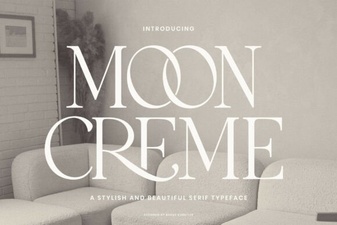 Moon Creme Font: Stylish & Functional Typography
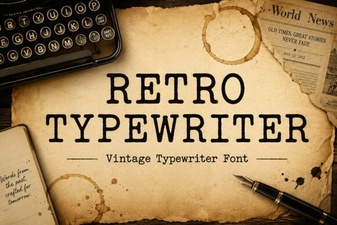 Retro Font Design for Creative Projects
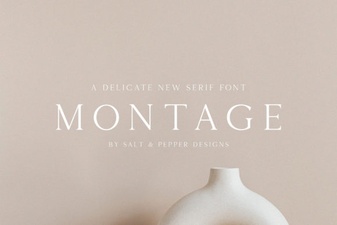 The Montage Font: Creative Design Projects
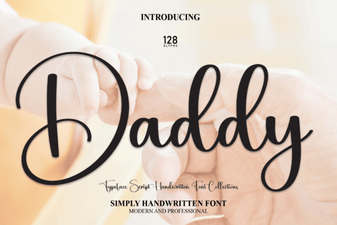 Daddy Font: Creative Uses in Design Projects
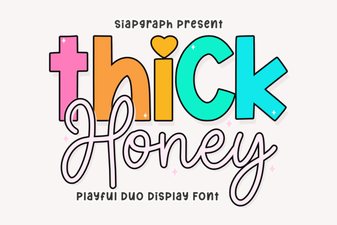 Thick Honey Duo Font: Style & Usability Guide
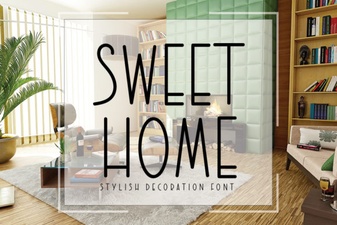 Sweet Home Font: Design Tips and Creative Uses