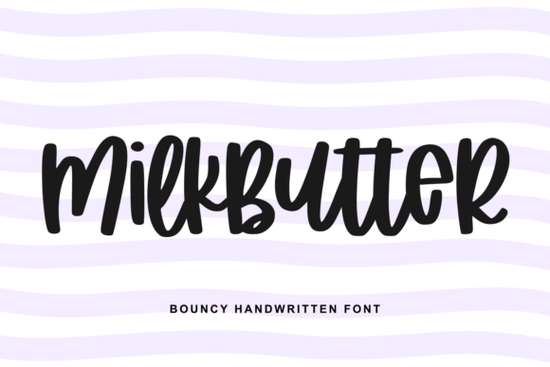
If you are looking for a handwritten typeface that feels warm and personal without sacrificing clarity, the Milkbutter Font is a solid choice for everyday creative work. It combines tall letterforms with smooth, naturally flowing curves, which means it reads well at both large and small sizes. Many crafters and small business owners turn to this style when they want their packaging, quotes, or social media posts to feel approachable rather than overly polished. You can easily apply it to greeting cards, local bakery labels, or handmade sticker sheets.
How does a casual script actually perform on real products?
The charm of a relaxed handwritten typeface shows up quickly when you apply it to physical or digital layouts. For example, placing it on tote bags, coffee sleeves, or product mockups immediately gives the piece a friendly, small-batch feel. Designers often use it for wedding invitations or seasonal announcements because the strokes mimic real pen-to-paper movement. If you explore other handwritten options for everyday layouts, you will notice that this particular script stands out by keeping the baseline stable. That stability reduces the awkward overlap that often happens with looser scripts when printed at standard resolutions.
Why does this style stay legible when scaled down?
Many brush and marker typefaces lose their shape once you shrink them for business cards or inventory tags. This design avoids that problem by maintaining generous x-heights and clear letter spacing. The curves flow without excessive swashes, so your message stays the focal point instead of fighting with decorative flourishes. Small shop owners who print their own tags or craft paper inserts appreciate how the letters hold their form at 12 to 14 points. When you compare it to seasonal display scripts, the difference is usually in how tightly the glyphs pack together. This one leaves just enough breathing room for clean reading on busy backgrounds.
What should I know before adding it to commercial branding or merchandise?
Licensing rules vary across platforms, so always check the included documentation before printing large runs or selling digital templates. Most modern type foundries allow personal use for hobby projects, while commercial licenses cover branding, merchandise, and client work. Once you confirm the terms, you can safely apply it to Etsy listings, apparel graphics, or web banners. If you need a tighter signature style for official logos, browsing clean signature alternatives might help you match the exact tone you want. For a complete look at the official files and license details, you can visit the Milkbutter Font page.
How do I mix it with other typefaces without clutter?
Handwritten scripts work best when paired with straightforward, high-contrast typefaces. Use a clean sans serif for subheadings and body text to balance the casual energy of the script. Keep the script reserved for titles, short quotes, or accent lines. Too many decorative elements will compete for attention, especially on mobile screens. If you prefer something with a slightly heavier baseline for masculine or rustic layouts, checking out bold handwritten choices can give you a different visual weight. The key is to let the script do the talking and keep supporting typography quiet and structured.
What quick setup steps save time in design software?
After installing the files, open your preferred editor and adjust the tracking slightly if your platform defaults to tight spacing. Most crafters find that adding a small amount of letter spacing improves readability on light backgrounds. If you are working with dark or textured paper, switch to a high-contrast color like white or deep navy to preserve the clean edges of the strokes. Keep line breaks short so the curves do not stretch awkwardly at the end of each row. You can always preview how the specific project will look by visiting this dedicated showcase page for layout inspiration before committing to a final render.
Quick checklist before you publish
Take five minutes to run through these steps so your final file prints and screens perfectly:
- Verify the license matches your intended commercial or personal use.
- Adjust letter spacing by 5 to 15 percent if your software compresses the curves.
- Test at multiple sizes to ensure the strokes stay clear on mobile and physical prints.
- Limit script usage to headlines or short phrases so the message stays easy to scan.
- Export as a transparent PNG for flexible placement across different merchandise templates.
Keeping these adjustments in mind will save you revision requests later and help your shop or portfolio maintain a consistent, professional look across every new upload.
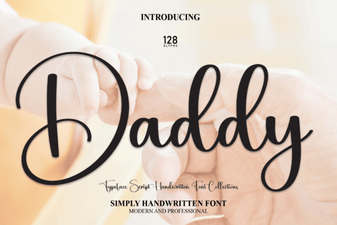 Daddy Font: Creative Uses in Design Projects
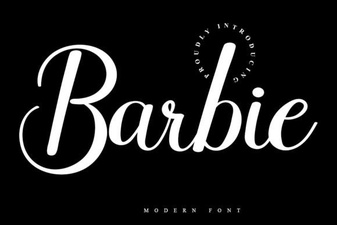 Font Files & Customizable Templates for Barbie Designs
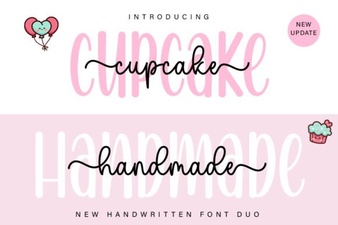 Cupcake Duo Font: Creative Typography for Design Projects
 Designing with Summer Hipster Fonts
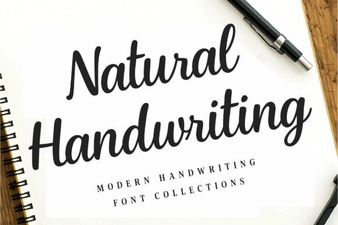 A Natural Handwriting Font for Digital Projects
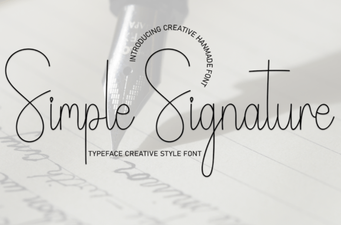 Refined Handwriting Styles for Every Creative Project