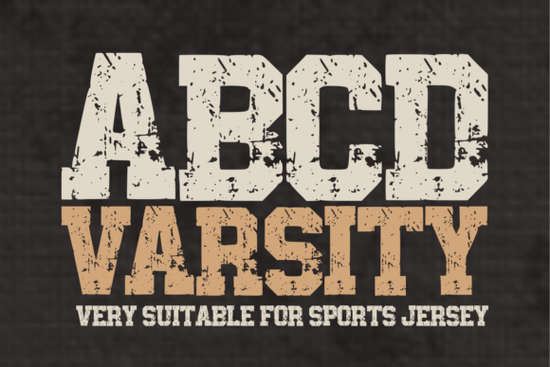
When you need a typeface that instantly conveys team spirit and vintage athletic style, Abcd Varsity Font offers a reliable solution. This display typeface brings a weathered, distressed texture to bold geometric shapes, making it easy to recreate that worn-in collegiate look without spending hours applying layer styles. Whether you are cutting custom vinyl for local sports teams, printing apparel for a small shop, or designing social media graphics that need a retro edge, this font delivers consistent results right out of the box.
Why do designers choose distressed typefaces for athletic projects?
Athletic designs rely heavily on tradition and strength. Clean, modern sans-serifs often feel too sterile for these themes. A weathered display typeface adds visual character and suggests years of use, which resonates with audiences seeking authentic streetwear, gym branding, or retro event posters. Instead of manually adding noise, scratches, or ink bleeds in your software, the distressed effect is already baked into the letterforms. This workflow saves hours of editing and ensures the texture scales cleanly across different print sizes.
If you are exploring similar options for your toolkit, you can browse similar heavy-weight options to expand your design library. Keeping a few varied display styles on hand helps you match the exact tone of each client project without forcing a single typeface to work for everything.
What kinds of layouts work best with collegiate lettering?
This typeface shines in high-contrast designs where the composition needs immediate visual weight. You will see the strongest results when applying it to:
- Sports jerseys and team apparel: Pair the thick letterforms with clean block numbers for classic uniform aesthetics.
- Campus merchandise: Student stores use vintage typography to sell sweatshirts and tote bags that feel like heritage items.
- Fitness and gym graphics: Personal training flyers and supplement packaging lean into gritty aesthetics to communicate intensity.
- Event banners and trophies: Tournament posters and community sports signage benefit from the authoritative, traditional feel.
- Social media templates: Quick promotional posts with retro filters stand out when backed by strong, textured headings.
How should I pair this font without cluttering the design?
Because the letterforms are thick and carry their own worn character, they dominate visual space quickly. Treat them strictly as headlines or accent words rather than body text. Pair them with a neutral sans-serif to maintain readability for smaller details, dates, or pricing. Keep your color palette restrained: high-contrast combinations like cream on navy, vintage gold on charcoal, or white on deep burgundy usually perform best. If you add background texture, let the font remain the focal point and avoid competing halftones or heavy grain patterns behind the main text.
For creators looking to test how this style integrates into commercial workflows, you can review the Abcd Varsity Font directly on the marketplace. The download includes standard licensing guidelines and OpenType files compatible with most design applications.
What print settings prevent blurry or missing texture details?
Print-on-demand sellers and hobby crafters often encounter quality drops when textured fonts are resized or exported incorrectly. To avoid soft edges or lost characters, convert your text layer to outlines or rasterize it at the final output resolution. Always verify that your software renders the OpenType version if you plan to use contextual alternates or swash characters. If you are cutting heat-transfer vinyl, simplify the finest distressed gaps by adjusting blade pressure or weeding carefully. Thick, geometric strokes cut reliably, but extremely fine texture holes can tear on thin fabric. Always run a small physical test cut before committing to a full production batch.
Quick checklist before finalizing your project
- Confirm licensing coverage for your specific use case, whether that is commercial print-on-demand, personal crafts, or client branding.
- Check readability at actual size by viewing the layout on both a phone screen and a desktop monitor.
- Export at 300 DPI in CMYK color mode for physical printing, or RGB at standard web resolution for digital posts.
- Save an editable backup of the original design file so you can adjust tracking or swap colors without rebuilding the layout.
- Run a material test on your preferred substrate to verify ink adhesion, vinyl durability, or screen print mesh density before launching.
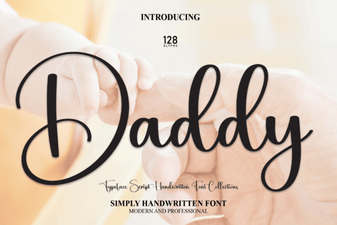 Daddy Font: Creative Uses in Design Projects
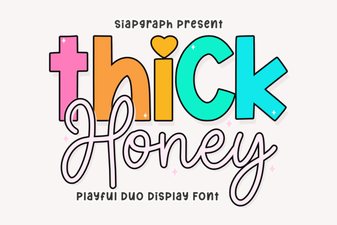 Thick Honey Duo Font: Style & Usability Guide
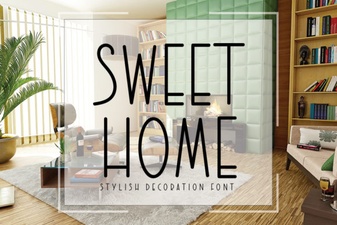 Sweet Home Font: Design Tips and Creative Uses
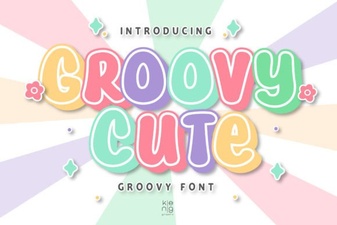 Groovy & Cute Fonts for Fun, Friendly Designs
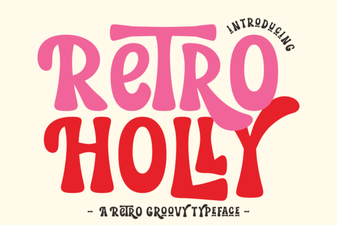 Retro Holly Font: Creative Design Styles & Ideas
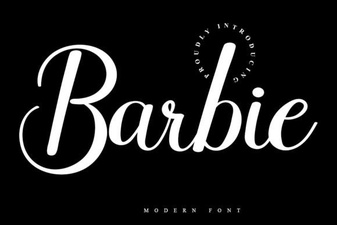 Font Files & Customizable Templates for Barbie Designs