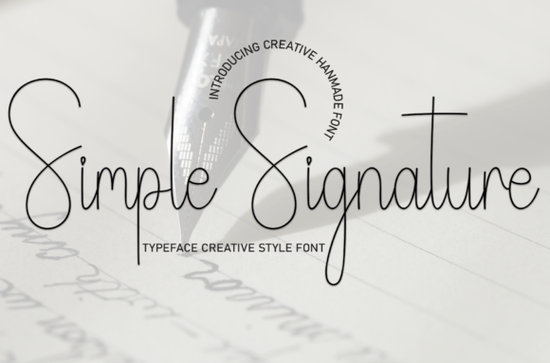
Which design projects benefit most from casual handwriting styles?
Hand-drawn lettering works best when it matches the mood of the project. You will notice that greeting cards, baby shower announcements, and boutique packaging respond well to friendly scripts. The relaxed strokes keep layouts from feeling too corporate. Print-on-demand sellers often place these letters on tote bags, ceramic mugs, and framed wall art where a personal message drives the purchase. Small business owners also use it for logo accents, social media banners, and email headers. Because the characters sit cleanly side by side, you can scale the text without worrying about awkward gaps. If you want to explore more options that share a similar relaxed structure, browsing through casual pen-style typefaces can give you fresh ideas for seasonal promotions.
How do I use this script for commercial and print-on-demand work?
Commercial licensing is straightforward when you understand the basics. You can safely apply the type to physical goods, digital templates, and marketing materials as long as you follow standard guidelines. Always verify that your design software supports true outline scaling, which ensures crisp edges on large posters and small product tags alike. Whether you work in Illustrator, Affinity Designer, or Canva, importing the .OTF file is usually automatic. When preparing files for automated storefronts, convert your text to paths to avoid substitution errors during production. Many designers also keep a backup format handy, such as SVG or PDF, so clients can preview the layout before ordering. You can compare this script with other popular choices by checking out bold script collections that lean into vintage poster styling.
What makes it easy to pair with other typefaces?
Pairing works smoothly when you balance decorative and neutral styles. A handwritten font should carry the emotional weight, while a clean sans serif handles supporting text like dates or prices. For wedding suites, set the main names in this script and the venue details in a crisp, high-contrast family. The contrast guides the reader’s eye without competing for attention. Crafters who build layered cutting files will find that keeping line weights similar across both fonts produces a cohesive result. When you need seasonal flair, warm-weather type libraries offer complementary swashes that match outdoor branding.
How can I adjust spacing and line height for better readability?
Handwritten styles carry slight width variations. Set your tracking slightly looser than usual to prevent tails from colliding. Increase leading to give descenders room in multi-line quotes. Test your layout at different zoom levels to catch tight spots before production. You can find pairing inspiration by reviewing playful display families that share the same energy. If you need broader options, explore the full library for Simple Signature variations. Always test a fresh copy before large jobs and keep license files organized. Check the dedicated product page for installation notes.
Final setup checklist before sending files to print:
- Convert all text to vector outlines and zoom in at 200 percent to verify clean edges.
- Set tracking between 20 and 50 to give loops enough breathing room on physical materials.
- Use a neutral sans serif for body copy so the script remains the focal point without overwhelming the layout.
- Print a single test sheet on your exact target stock, since ink absorption changes how curves read on cotton, cardstock, and vinyl.
- Keep a backup of the original .OTF or .TTF files in a separate cloud folder to avoid losing the licensed version after a system reset.
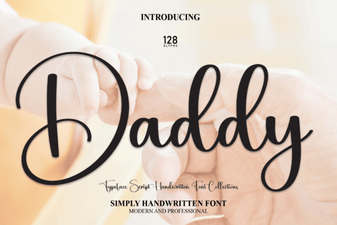 Daddy Font: Creative Uses in Design Projects
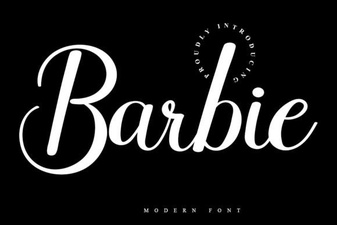 Font Files & Customizable Templates for Barbie Designs
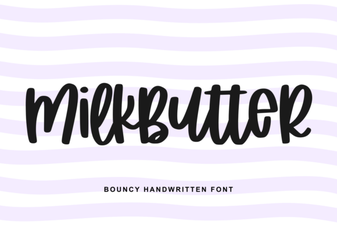 Milkbutter Font: Free Download & Creative Uses
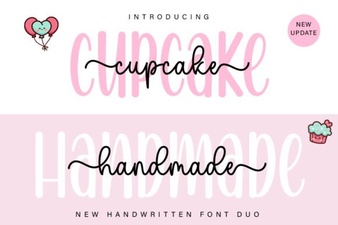 Cupcake Duo Font: Creative Typography for Design Projects
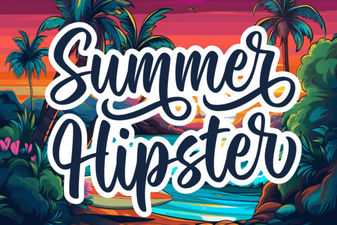 Designing with Summer Hipster Fonts
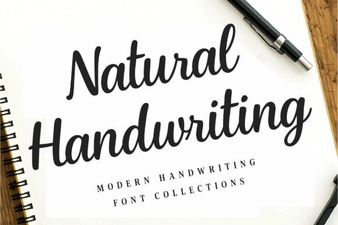 A Natural Handwriting Font for Digital Projects