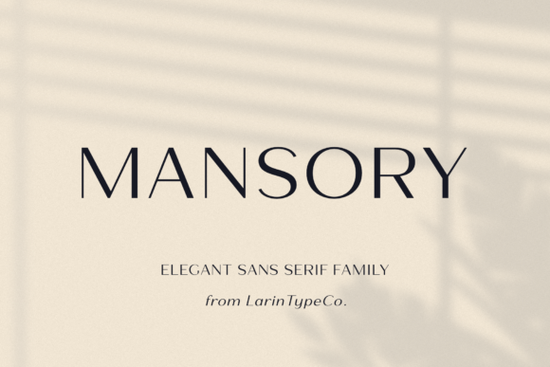
When you are looking for a clean, lightweight typeface that keeps layouts from feeling cluttered, the Mansory Font is a reliable choice. This sans serif option brings a modern, airy feel to projects without sacrificing readability. It sits comfortably in the light weight category, which means it works best when you give it enough breathing room on the page. Designers, print-on-demand sellers, and hobbyists often turn to this kind of typography when they want a polished look for branding, packaging, or social media graphics. You can explore the full collection here to see how it fits into your creative workflow.
Why does a light sans serif typeface work so well across different media?
Lighter weights tend to feel modern because they reduce visual noise on crowded pages. When text takes up less visual space, your overall layout can breathe. This is especially helpful for creators who work with minimalist branding, wedding stationery, or product packaging where the actual product image needs to lead. On digital screens, lighter fonts often render cleanly if you size them appropriately and avoid thin stroke conflicts. For print, using a slightly wider tracking value or choosing a matte paper stock can prevent fine lines from disappearing. If you are testing different combinations, remember that visual hierarchy matters. A light sans serif pairs smoothly with bolder headings or simple geometric shapes.
How can crafters and small business owners apply it to real projects?
Creative sellers and makers often need typography that scales without losing its personality or clarity. Because this typeface maintains consistent spacing and smooth curves, it adapts well to custom labels, tote bag prints, mug wraps, and printable planners. When you upload your files to a print-on-demand platform, always keep the resolution high and avoid stretching the text proportionally. Light fonts can sometimes show ink bleed on dark fabrics, so adding a subtle drop shadow or placing the text on a light background usually solves that issue. Many creators also use it for watermarks or subtle footers where readability is secondary to visual balance. If you prefer something slightly more rounded but still structured, you might also want to review the sweet home alternative for a warmer feel on physical goods.
What should I keep in mind when pairing it with other fonts and colors?
Picking the right companion typeface keeps your layout from looking flat or disjointed. A light sans serif works best when matched with a classic serif for contrast, or a geometric sans when you want a strictly modern layout. Avoid pairing it with another ultra-light font, since the entire composition will lose its visual anchor. Stick to a clear size scale for body text versus headings, and use weight changes sparingly to guide the reader’s eye. Color choices matter just as much as font selection. Soft neutrals like charcoal, muted olive, or warm taupe let the clean strokes stand out without competing for attention. If you want a deeper reference for typography pairing, you can read more about Mansory and similar type styles across the design marketplace.
How do I prepare files so the typeface prints sharply and looks consistent online?
File setup is where many creative projects lose quality before they ever leave your workspace. Always embed the font or outline your text layer before exporting to PDF for commercial printing. This prevents your design software from substituting a similar but slightly misaligned typeface. For web use, convert your text to optimized image formats or web fonts if your hosting platform allows it. Here is a practical process you can follow before sending anything to production:
- Set your document color profile to CMYK for physical prints and RGB for screens.
- Check line spacing and letter tracking to ensure characters do not merge at smaller sizes.
- Export at 300 DPI for any material that will go through a printer, heat press, or vinyl cutter.
- Run a preview on a phone and a laptop to verify that light strokes remain visible on different screens.
- Keep a clean master file with editable text layers so you can adjust wording without starting over.
Before you finalize your next layout, take a moment to map out your text hierarchy. Choose one primary size for headlines, one for body copy, and limit yourself to two font weights total. Test your design in grayscale first to make sure the structure holds without relying on color contrast. Once you are comfortable with the spacing and visual balance, add your brand accents and lock your export settings. Keeping your files organized and your typography consistent will save hours of revisions and give your projects a clean, professional finish that customers notice right away.
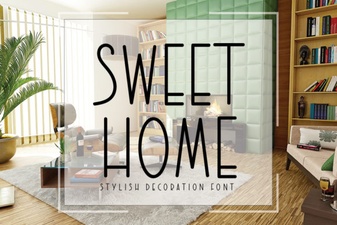 Sweet Home Font: Design Tips and Creative Uses
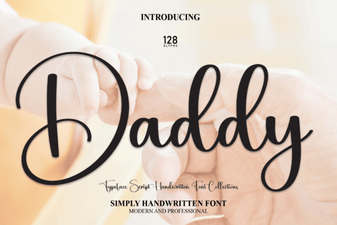 Daddy Font: Creative Uses in Design Projects
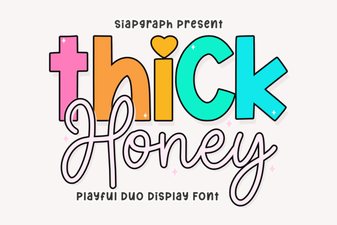 Thick Honey Duo Font: Style & Usability Guide
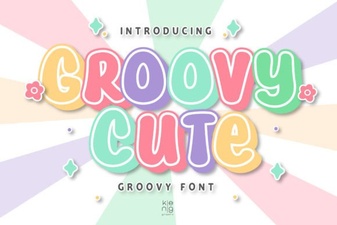 Groovy & Cute Fonts for Fun, Friendly Designs
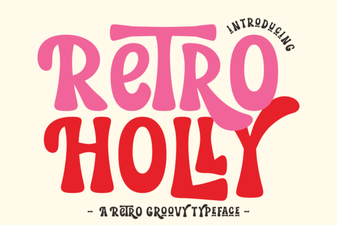 Retro Holly Font: Creative Design Styles & Ideas
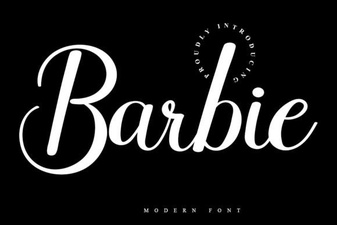 Font Files & Customizable Templates for Barbie Designs