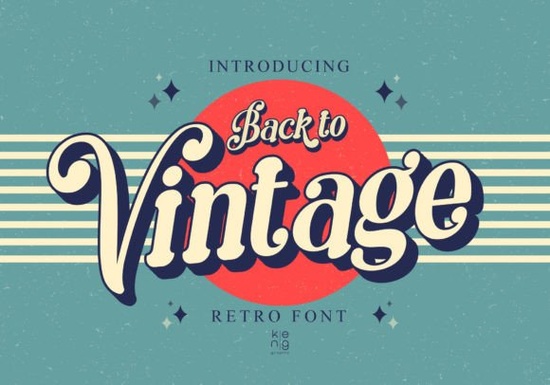
When you want posters, apparel tags, or social media graphics to feel nostalgic without looking cluttered, rounded retro typefaces are usually the most reliable choice. Back to Vintage Font fits directly into that workflow. Inspired by mid-century sign painting and the casual display styles of the 1960s through the 1980s, it delivers a familiar look that still feels fresh on modern storefronts. The letterforms keep every corner softly rounded, which reduces visual tension and makes short phrases easier to scan at a distance.
Why do makers prefer softer retro lettering for merchandise?
Sharp typefaces often compete with product photography, especially on crowded e-commerce feeds. This display style solves that by balancing heavy stems with smooth terminals. Small business owners and crafters notice the difference during production because the curves sit cleanly inside vinyl decals, embroidered patches, and screen-printed tees. You also avoid manufacturing issues where tight serifs bleed during heat pressing.
If you have previously worked with bold block lettering that requires heavy tracking, switching to a rounded display face often improves legibility across different backgrounds. The generous negative space lets your layout breathe without needing extra borders or decorative frames.
How does this style hold up on physical print runs?
Print-on-demand sellers need typography that survives resizing across different textures. Because the design keeps proportions consistent, it scales smoothly for packaging labels and hang tags. Digital cutting machines track paths more accurately when gentle curves replace sharp points, resulting in cleaner edges. The same file works reliably in preview mockups because the steady x-height remains readable on mobile thumbnails.
Pairing it with a plain geometric sans-serif for body text usually creates a clear visual hierarchy. You get a professional storefront look without the stiffness that often comes from strict corporate typefaces. For seasonal campaigns, adding a lightweight script with organic swashes to your secondary graphics can introduce visual variety while keeping your main logo intact.
What layouts work best for vintage display faces?
You can apply this typography across a wide range of formats, but certain arrangements consistently perform better for readability and engagement. Here are the setups most designers rely on:
- Short slogans on apparel: Keep lines under five words to maintain the rounded impact.
- Centered packaging labels: Align the text to the middle axis for a balanced, artisanal feel.
- Social media quote cards: Increase line height slightly so each word has room to stand out.
- Event banners: Use high-contrast backgrounds so the soft edges remain legible in outdoor lighting.
If you need a lighter, more playful contrast for seasonal graphics, browsing rounded accent faces with subtle curvature helps you match the nostalgic tone without overwhelming your main layout.
How do I avoid typography clashes in complex layouts?
Many new designers struggle by mixing too many decorative faces in one composition. Let the display font handle the headline while keeping supporting text neutral. Choose a clean sans-serif for menus or descriptions. You want structural contrast to guide the eye, not extra ornaments. Professionals preview combinations using Back to Vintage Font pairing examples before finalizing artwork. Adjust tracking early to prevent awkward gaps inside badges or ribbons.
For projects needing heavier presence on large posters, exploring weight-matched type systems gives more flexibility. Having matching light and heavy variants makes building pricing tables or flyers easier without guessing which combinations align.
What steps should I follow before sending artwork to print?
Preparing files correctly saves time and prevents costly reprint delays. Keep this quick routine handy for every new project:
- Convert text to outlines or embed the font to stop substitution errors on other devices.
- Set color modes early. Use CMYK for offset runs and RGB only for web previews.
- Verify minimum sizes. Keep display headlines above 18 points on small tags or coasters.
- Test on dark surfaces. Add a subtle outline or switch weights if contrast drops below readable levels.
Once your files pass these checks, run a quick proof on plain paper and hold it at arm length. If the rounded shapes remain clear and the message reads smoothly, your layout is ready for production. Start with a short headline, leave generous margins around the lettering, and let the negative space guide your next design iteration.
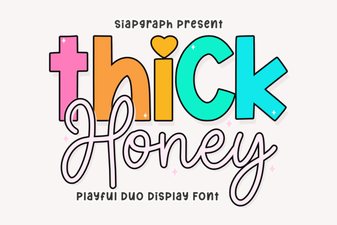 Thick Honey Duo Font: Style & Usability Guide
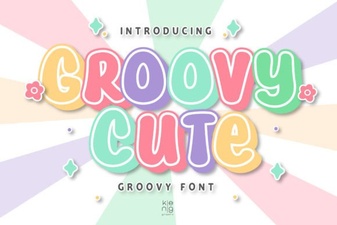 Groovy & Cute Fonts for Fun, Friendly Designs
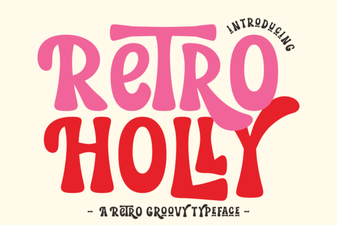 Retro Holly Font: Creative Design Styles & Ideas
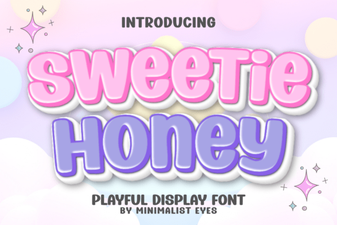 Sweetie Honey Font for Cozy Project Designs
 Hunters K-Pop Font: Design Guide and Creative Uses
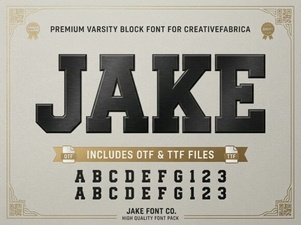 Discover Jake Font for Creative Design Projects