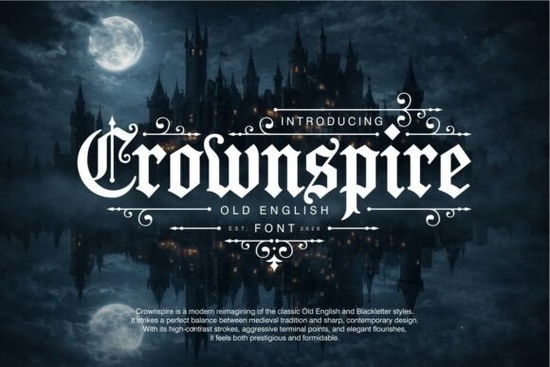
When you need a typeface that balances historical weight with clean readability, Crownspire Font delivers exactly what modern designers and print-on-demand sellers look for. This blackletter revival moves away from overly decorative medieval scripts and focuses on sharp, architectural terminals that read well on screens and printed merch alike. The result is a gothic-inspired style that feels authoritative without sacrificing clarity.
What makes this blackletter style work for modern projects?
Many creators avoid traditional Old English scripts because they blur at smaller sizes. This typeface solves that problem by tightening stroke contrast and simplifying inner spacing. You get the heavy, historic atmosphere of cathedral typography while keeping the baseline structure predictable enough for logos and social media banners. Designers working with gaming titles often need a heavy-weight presence that commands space, and the geometric edges make that possible without looking dated.
You can see how this typeface behaves in different layouts on the official product showcase.
Which types of designs benefit from gothic typography?
Album covers, dark fantasy book jackets, and boutique apparel tags rely on strong visual hierarchy. The aggressive terminals and high-contrast strokes create instant recognition when placed over solid backgrounds or paired with minimalist layouts. Crafters using heat transfer vinyl also find that thick blackletter shapes cut cleanly and adhere well to fabric edges. If you run a small shop selling themed merchandise, this style gives your products a cohesive, premium look without requiring complex illustration work.
How do you balance ornate details with readable layouts?
The trick to working with decorative typefaces is restraint. Reserve the heavy strokes for headlines, short phrases, and monograms, then pair them with a clean sans-serif for body copy. Many successful sellers follow a one-accent-font rule to keep storefronts from looking cluttered. If you want a structured alternative for secondary headings, the Beardsons typeface offers a complementary weight that works well in layered compositions.
Why does architectural spacing matter for print?
Traditional scripts often suffer from tight kerning, which causes ink bleeding on t-shirts and pixel distortion on mobile devices. This adaptation uses adjusted sidebearings and open counter spaces, so letters retain their shape when scaled down. Streetwear labels benefit immediately because tags require sharp edges to look crisp after washing. The pointed terminals mimic gothic arches, giving each character a visual direction that guides the eye across posters and packaging.
How can you use ornaments without overwhelming the text?
Filigree and distressed textures work best outside the main wordmark. Add simple corner dividers to frame your headline, then let the typeface stand alone. This keeps files clean for digital platforms while preserving the mysterious vibe. For pairing references, see how Classic Gothic Typeface manages contrast, or compare it with Modern Medieval Script to understand how stroke weights affect readability.
What is the safest workflow for commercial use?
Install OTF or TTF files directly into your design software, but always convert headlines to outlines before exporting PNG or SVG files for platforms like Etsy or Redbubble. This prevents substitution errors across different computers. Always verify your license covers physical merchandise and digital sales, especially when delivering files to clients who will handle printing or distribution.
How do you check spacing before finalizing a layout?
Print a test sheet at your final size. Squint slightly to spot tight spacing, then adjust tracking until the heavy strokes align evenly. Studio designers use this method to catch readability issues early. The architectural structure responds well to minor adjustments, giving you precise control over the composition.
What should you verify before publishing your design?
Follow these final steps to ensure clean exports and consistent branding.
- Convert all heavy letterforms to vector paths to prevent missing font errors during upload.
- Test your headline on three contrasting backgrounds to confirm the high-contrast strokes remain legible.
- Review your commercial license terms to match your intended print volume or digital sales channel.
- Adjust tracking and line height so terminals align cleanly with secondary text before saving your master file.
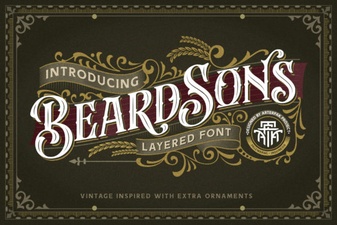 Beardsons Font: Modern Design Versatility
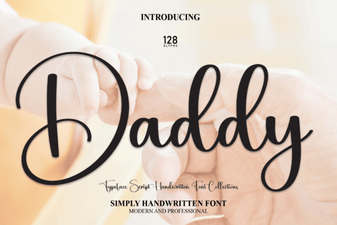 Daddy Font: Creative Uses in Design Projects
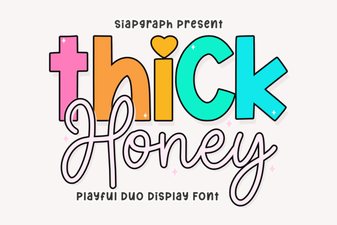 Thick Honey Duo Font: Style & Usability Guide
 Sweet Home Font: Design Tips and Creative Uses
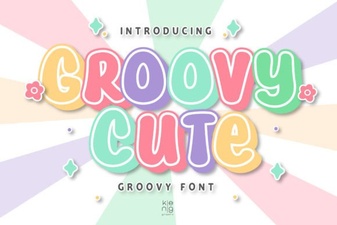 Groovy & Cute Fonts for Fun, Friendly Designs
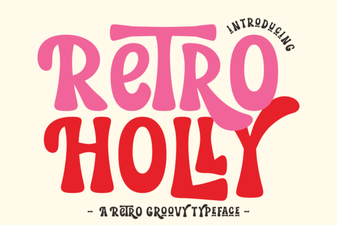 Retro Holly Font: Creative Design Styles & Ideas